An Unbroken Line of Patriots
What the Fourth of July Means to my Family
by Mark Miller
JULY 05, 2026
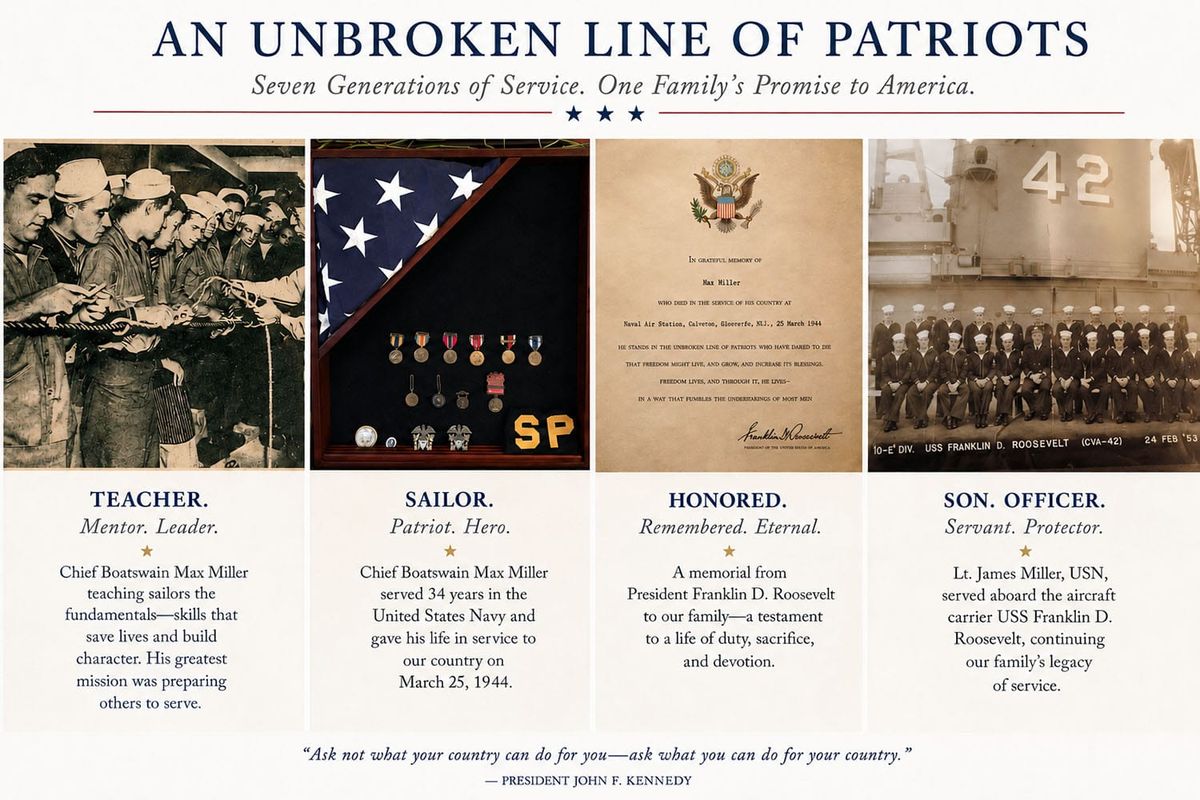
“He stands in the unbroken line of patriots who have dared to die that freedom might live, and grow, and increase its blessings. Freedom lives, and through it, he lives—in a way that humbles the undertakings of most men.”
— President Franklin D. Roosevelt, Memorial issued following the death of Chief Boatswain Max Miller, U.S. Navy
Those words have lived with my family for more than eighty years.
Every Fourth of July, Americans gather with family and friends to celebrate our nation’s birth. Fireworks illuminate the night sky. Flags wave proudly. Families gather around picnic tables for hot dogs, hamburgers, and traditions that have become part of the American experience.
I enjoy those traditions as much as anyone.
But before the fireworks begin, I always find myself reflecting on why we celebrate this day.
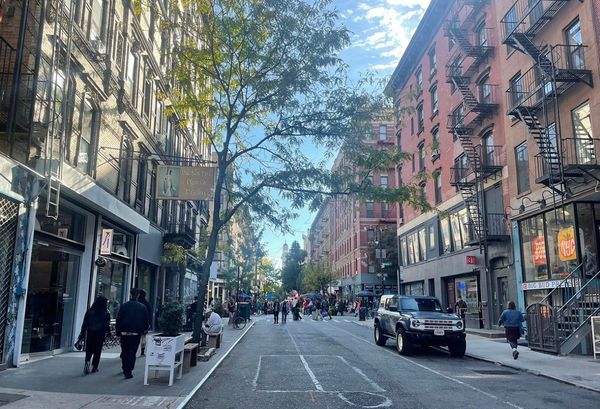
As a seventh-generation New Yorker, Independence Day is woven into my family’s story.
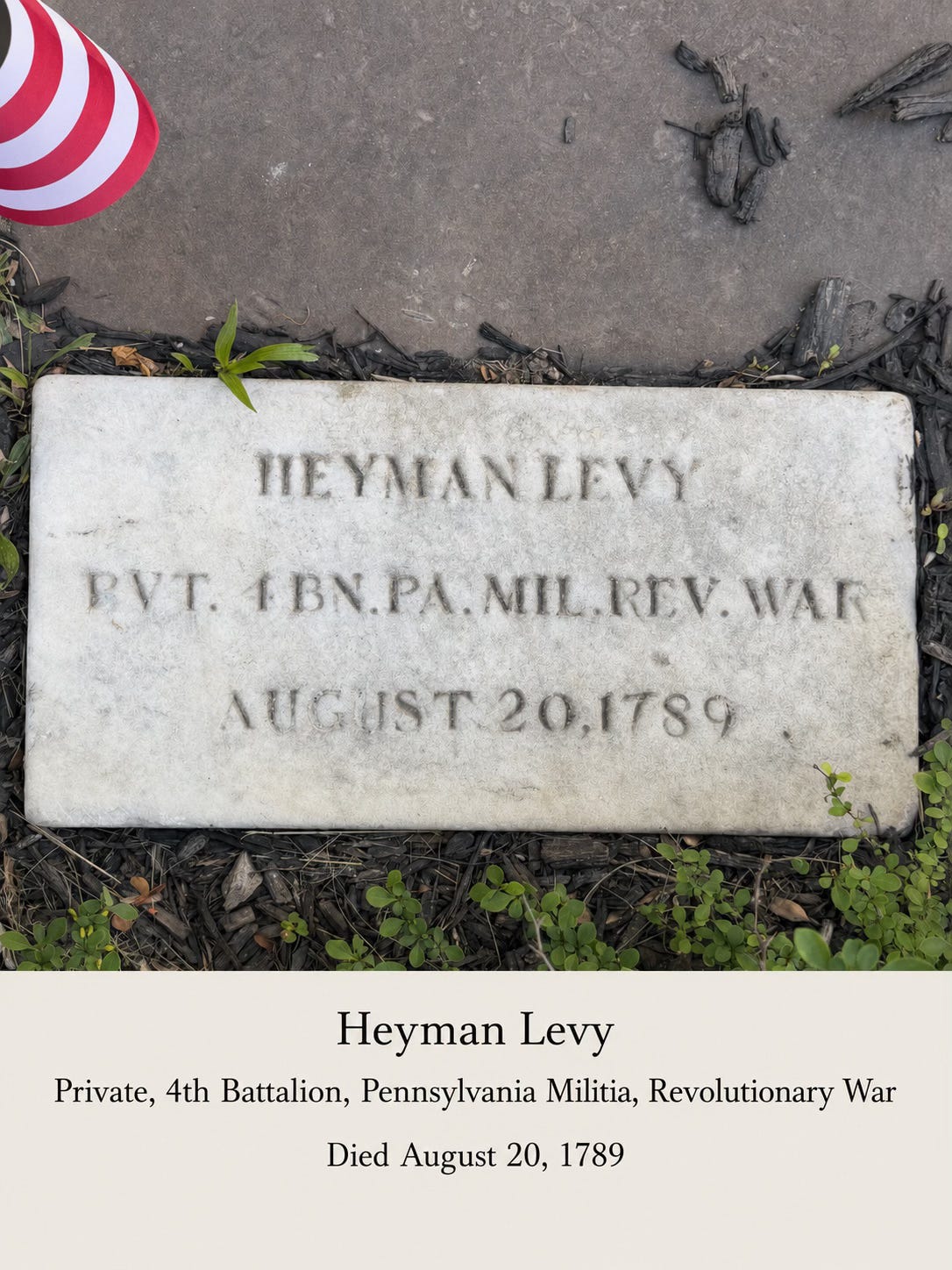
One branch of my family reaches back to the Revolutionary War. My ancestor, Hayman Levy, was a prominent New York merchant and fur trader who used his mercantile connections to help supply General George Washington’s Continental Army with clothing, provisions, and other necessities. Another ancestor by marriage, Isaac Moses, also contributed to the Patriot cause. Their service reminds me that not every patriot carries a musket. Some serve by providing the resources that make victory possible.
More than a century later, another generation answered America’s call.
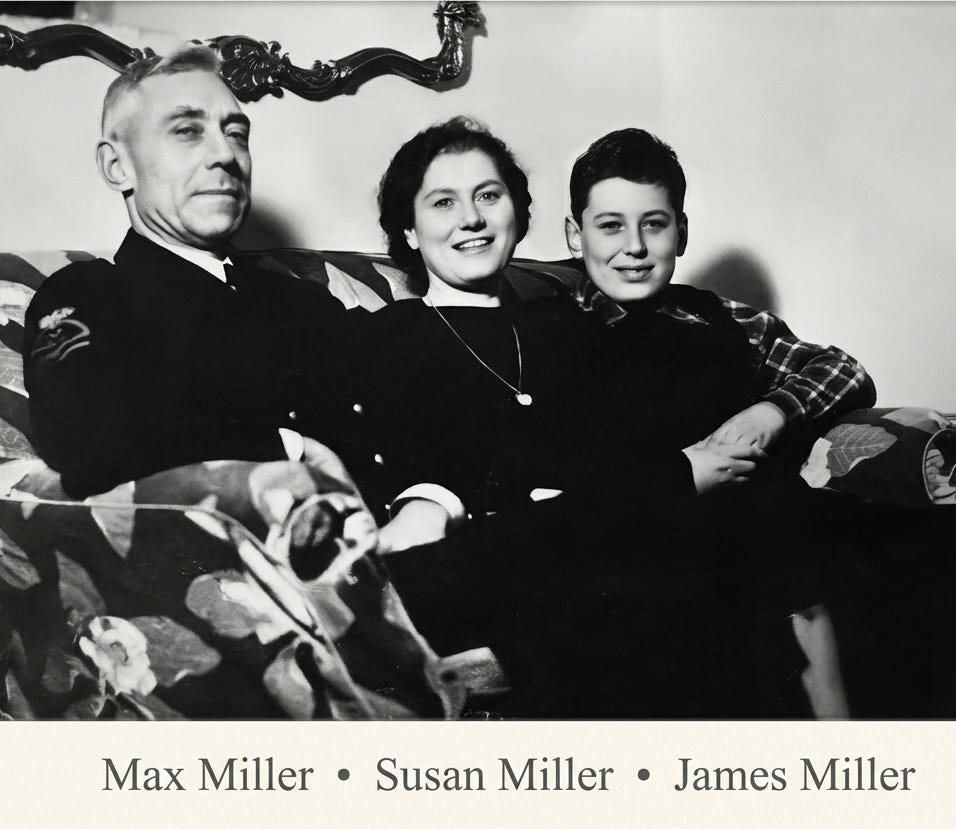
My grandfather, Chief Boatswain Max Miller, devoted thirty-four years of his life to the United States Navy.
During World War I, he served aboard the USS Scorpion in Constantinople, now Istanbul. To reach the Mediterranean, ships had to pass through the Dardanelles, a narrow strait controlled by the Ottoman Empire. When the Ottomans entered the war and closed that waterway, the Scorpion was cut off from the sea route home and spent years interned under Ottoman control.
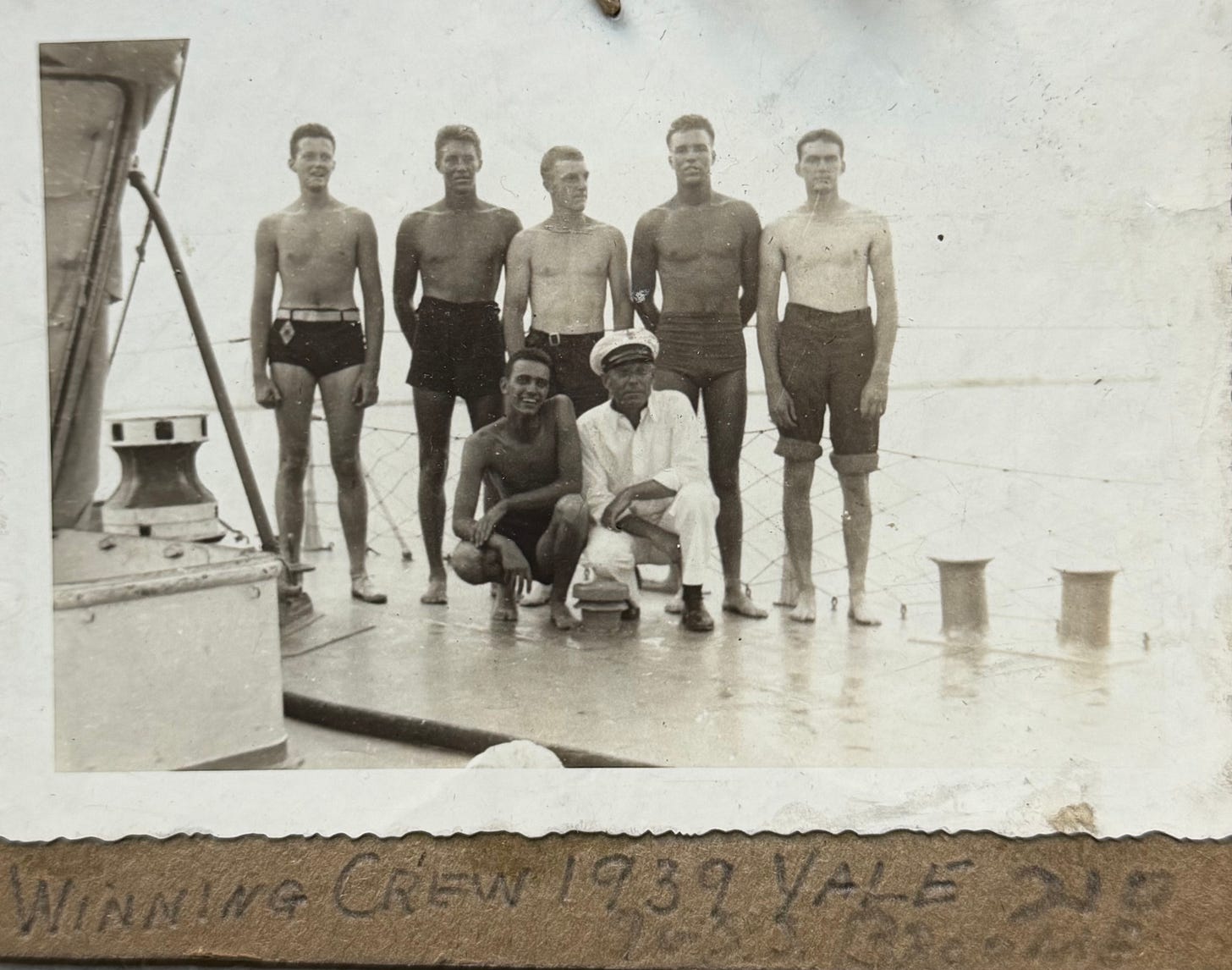
After returning home, my grandfather continued his naval career. He later helped establish the Naval Reserve Officers’ Training Corps at Yale University, where he trained future naval officers and mentored generations of young Americans.
The Navy has an old saying: “Officers command ships. Chiefs run them.”
My grandfather embodied that tradition.
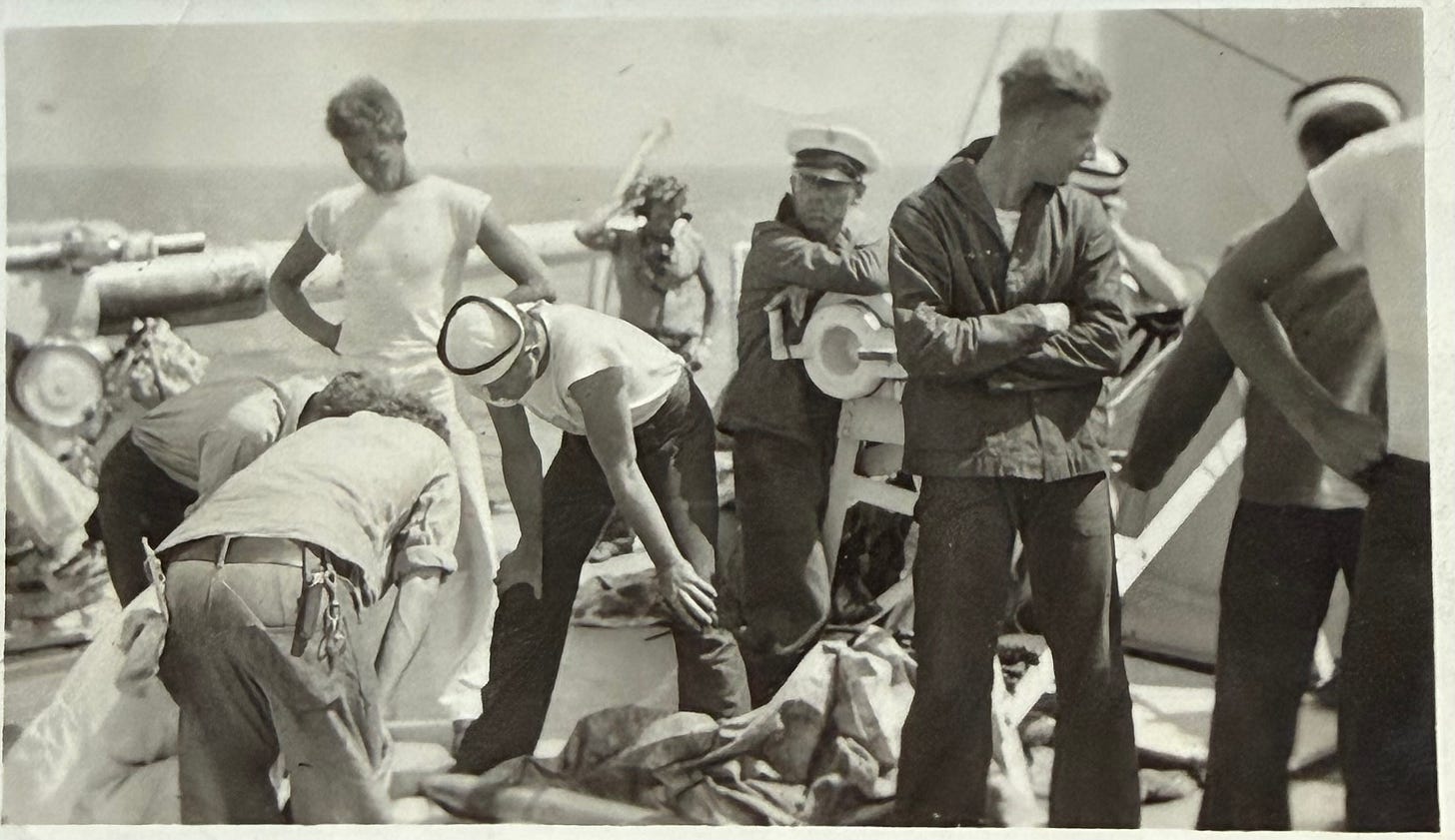
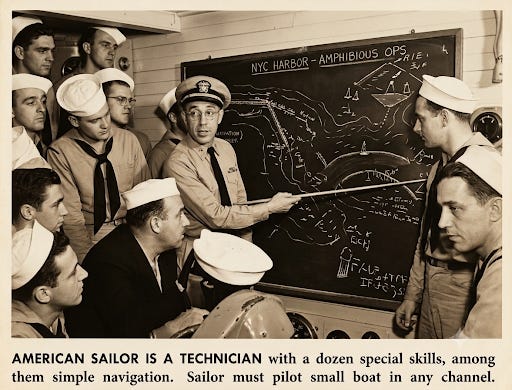
As a Chief Boatswain, he became one of the Navy’s master instructors. During World War II, he was profiled in PICmagazine for his remarkable ability to transform civilians into disciplined sailors. He taught seamanship, navigation, leadership, and the countless practical skills upon which lives at sea depended.
He didn’t simply serve his country. He prepared others to serve theirs.
After thirty years in uniform, he retired. Then came World War II. Once again, the Navy asked him to return. Once again, he answered.
On March 25, 1944, while serving on active duty, Chief Boatswain Max Miller died in service to his country.
Following his death, President Franklin D. Roosevelt issued a memorial to my family that included words I have never forgotten:
“He stands in the unbroken line of patriots who have dared to die that freedom might live, and grow, and increase its blessings. Freedom lives, and through it, he lives...”
Those words were written about my grandfather, but they speak to every American who has sacrificed for this country.
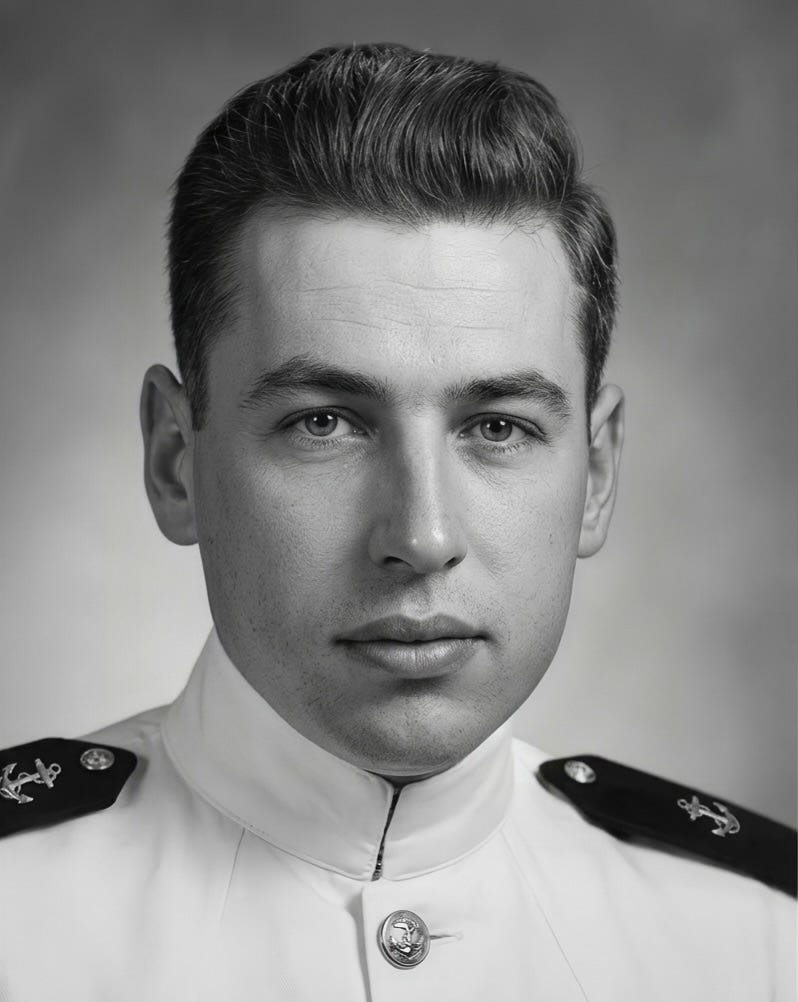
That tradition of service continued with my father, Lieutenant James Miller, USN.
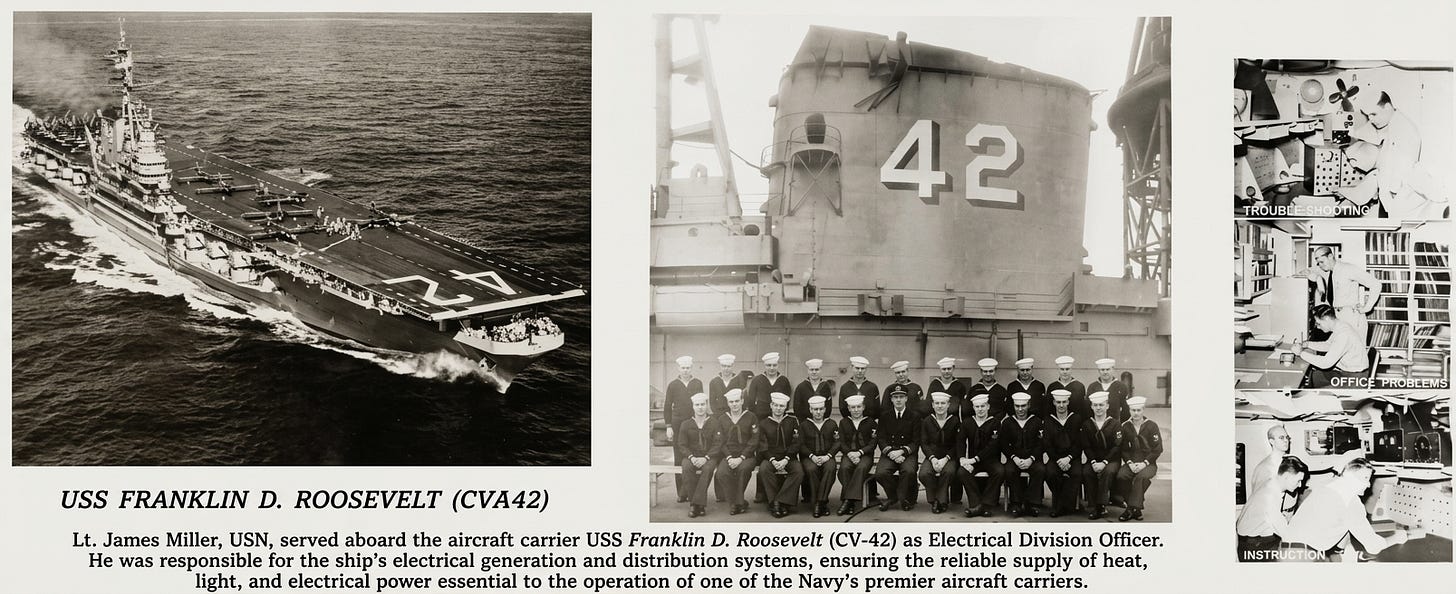
He received a Presidential appointment from President Harry S. Truman to the United States Naval Academy and graduated with the Class of 1951, whose motto was “51’ Second to None.” He later served aboard the aircraft carrier USS Franklin D. Rooseveltbefore pursuing a career in business and finance.
Service to America, however, was never limited to those who wore a uniform.
In the late nineteenth century, my mother’s family established a garment manufacturing business on New York’s Lower East Side in the 1880’s. Then in 1908, they eventually became suppliers of uniforms to the United States Navy during World War I. When the war ended, they adapted rather than disappeared. With warehouses full of unused white naval uniform fabric, they shifted production to medical uniforms, recognizing that doctors and nurses also wore white.
In 1961, my mother, Arlene Miller, carried that legacy forward by opening JA-Mil Uniform Company on Orchard Street. At a time when women entrepreneurs still faced significant barriers in the business world, she built what became one of the Lower East Side’s longest-running woman-owned businesses. Today, at ninety-two years old, she still greets customers on occasion, places orders, and says she refuses to retire because the business gives her purpose.
Her life reminds me that patriotism is not measured only by military service. It is also found in those who build businesses, create jobs, adapt to changing times, and quietly strengthen the communities they call home.
Today, that responsibility rests with me.
Every generation serves in its own way, passing down a unique definition of what it means to contribute. From the battlefields of the Revolution to the engine rooms of the Navy, and from the halls of finance to the storefronts of the Lower East Side, my family’s legacy has been one of active stewardship.
My own service looks different. As a fourth-generation Lower East Side property owner, I have tried to preserve the neighborhood my family has called a business home for generations. Through restoring historic buildings, supporting small businesses, serving on the board of the Lower East Side Partnership, promoting independent retailers, contributing to public dialogue through my writing, and now preserving my family’s history, I hope to contribute in my own way to the city and country that have given my family so much.
Every generation faces different challenges.
My Revolutionary War ancestors helped build a nation. My grandfather’s generation confronted two world wars. My father’s generation stood watch during the Cold War.
Our generation has been blessed not to endure those same sacrifices, but every generation is called to serve in its own way. Today our responsibility is to preserve the institutions, freedoms, opportunities, and civic values that generations before us fought to secure—not through violence, but through informed citizenship, respectful debate, community involvement, and a commitment to leaving our country stronger than we found it.
President John F. Kennedy expressed that responsibility in one unforgettable sentence:
“Ask not what your country can do for you—ask what you can do for your country.”
America has never been a perfect nation. But it has always been a nation worth serving—and worth improving.
Every family has its own story. Some are preserved in medals. Some in folded flags. Some in faded photographs. Some in letters from presidents. Some in the small businesses that quietly serve their communities for generations.
Together, those stories become the story of America.
Across nearly 250 years, my family answered America’s call in different ways.
One generation supplied Washington’s Continental Army.
One generation manufactured uniforms for the United States Navy.
One generation crossed oceans in defense of freedom.
One generation trained the officers and sailors who would fight the Second World War.
One generation served during the Cold War.
One generation built a woman-owned business that has served the Lower East Side for more than six decades.
My own generation has inherited a different responsibility: to preserve our history, strengthen our communities, and pass forward the blessings of liberty entrusted to us by those who came before.
I know countless American families have stories very much like mine.
That is what makes this country extraordinary.
So this Fourth of July, before the fireworks begin or long after the last spark fades, I hope we all pause for one quiet moment to remember those who never came home, to honor those who quietly built this nation in countless different ways, and to ask ourselves one simple question:
What can I do for my country?
May we prove worthy of the inheritance they entrusted to us.
Happy Independence Day. God Bless America
Publication note: This essay was originally published on Substack on July 5, 2026 and has been added to the One Person’s Opinion archive.